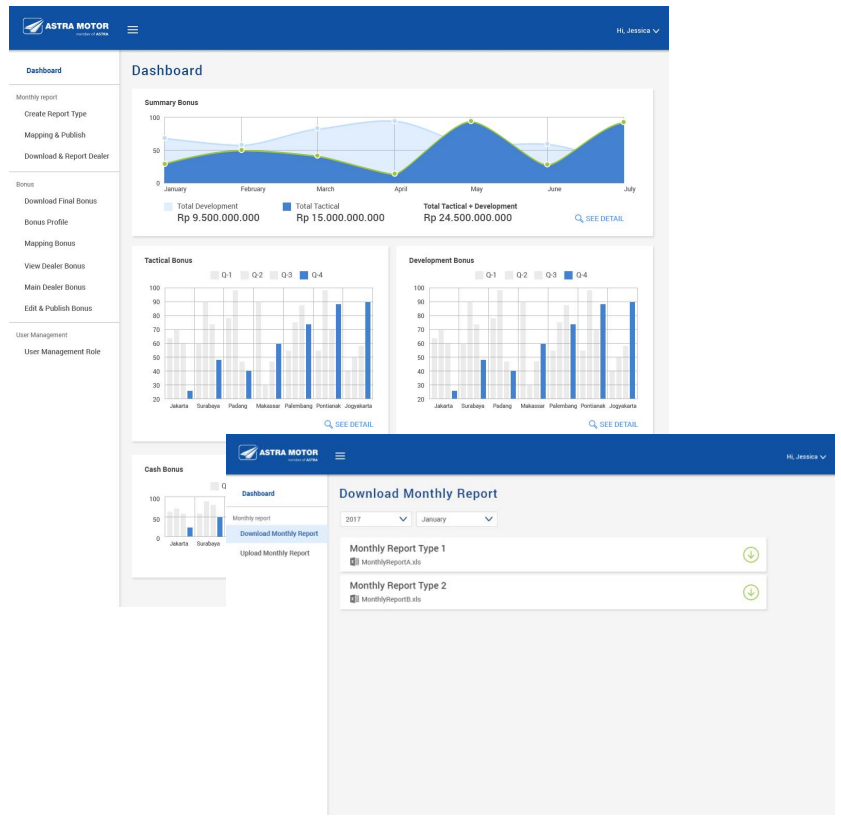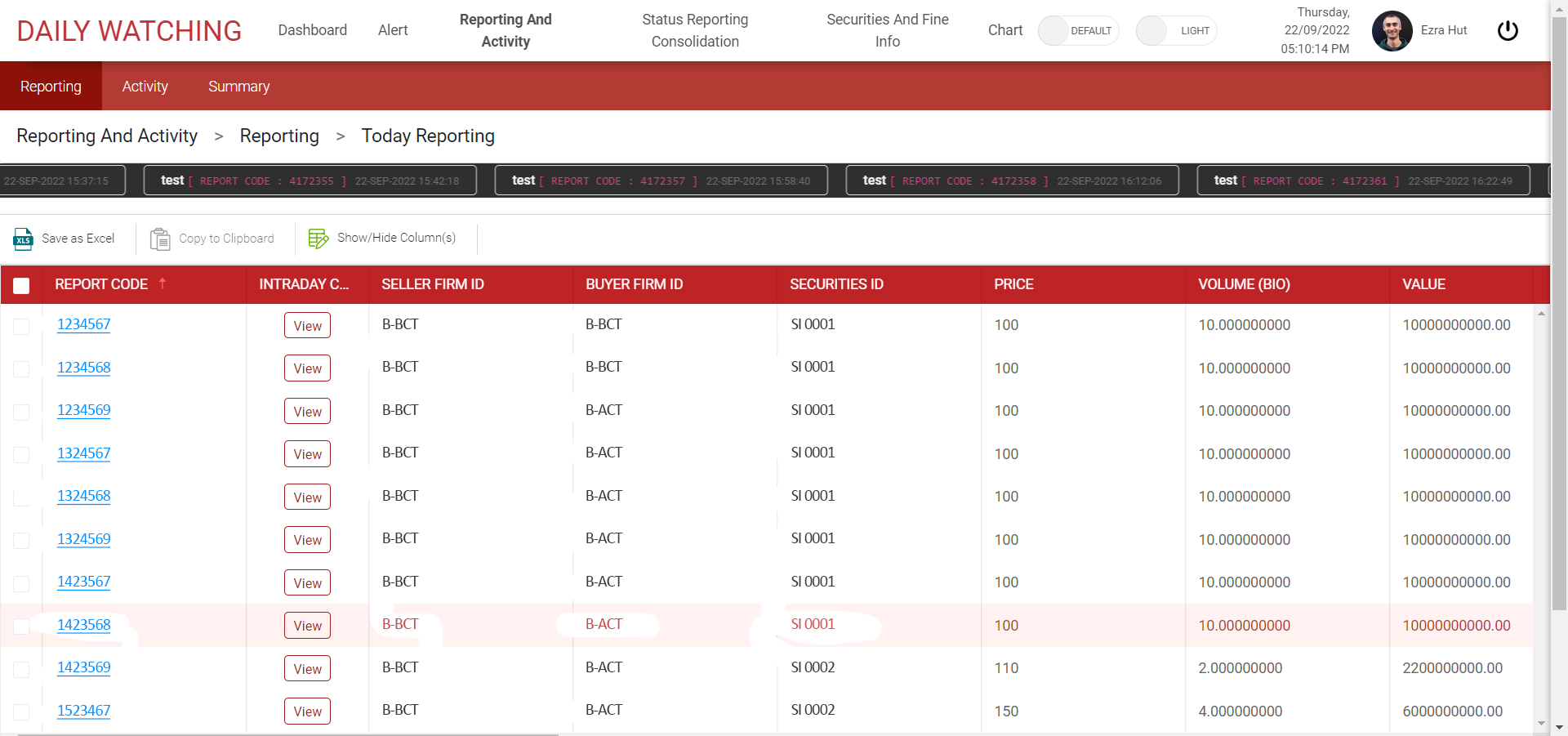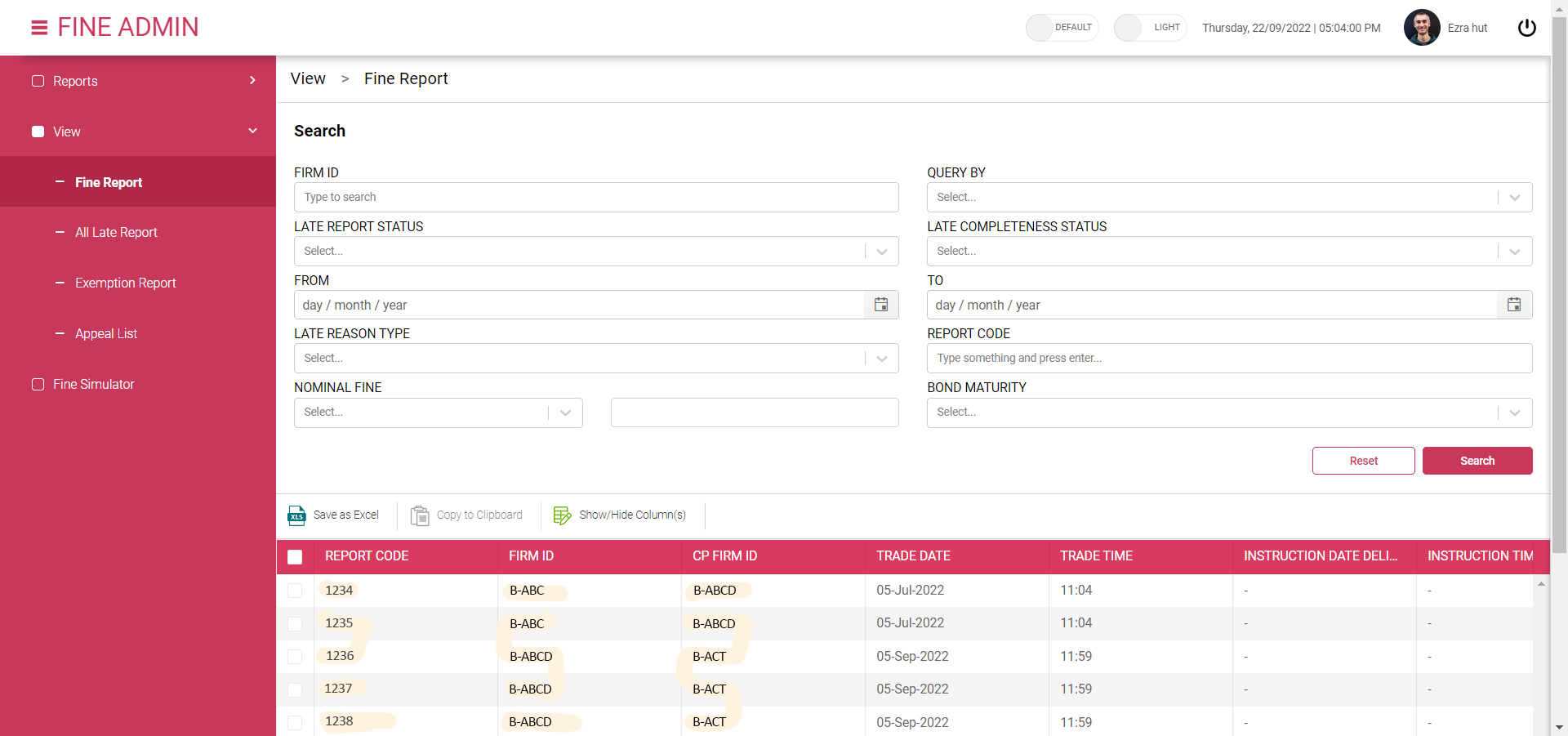
When your teams report different numbers, the issue is often not the dashboard itself. The real problem is unaligned KPIs.
Unaligned KPIs make reporting harder to trust, slow down decision-making, and create confusion across teams. Instead of moving quickly, your team spends time checking which number is correct.
When your numbers do not match, trust starts to slip
It often begins with a simple question:
- How much revenue did we actually make?
- How many qualified leads do we have?
- Which number should we use for planning?
There should be one clear answer. But when every team brings a different number, reporting stops feeling reliable.
And when reporting does not feel reliable, decision-making slows down.
Why this keeps happening
In many businesses, mismatched dashboards are not caused by one big problem. They happen because the foundation behind the reporting is not fully aligned.
1. Your teams define KPIs differently
The same metric may mean different things to different teams.
2. Your data has quality gaps
Duplicates, missing values, or inconsistent entries affect what shows up in reports.
3. Your data is spread across too many places
CRM, finance tools, spreadsheets, and internal systems may all be telling different parts of the story.
4. Your reporting still depends on manual work
Manual exports, spreadsheet joins, and copied formulas make consistency harder to maintain.
What this means for your business
When your KPIs are not aligned, the impact goes beyond reporting.
It can make your forecasting less reliable, your budgeting discussions longer, and your operational decisions slower.
Instead of focusing on what to do next, your team spends time figuring out which number is correct.
That is where momentum gets lost.
What helps fix it
Better reporting starts with better alignment.
That usually means:
- creating shared KPI definitions
- mapping where each number comes from
- adding quality checks to reduce errors
- building a roadmap toward a single source of truth
This helps your team spend less time reconciling numbers and more time acting on them.
How a Data Clarity Sprint can help
If your dashboards are showing different answers to the same question, a Data Clarity Sprint can help you identify where the mismatch is happening and what to fix first.
In a focused 10–14 day sprint, the work typically includes:
- reviewing where reporting confusion happens
- comparing KPI definitions across teams
- mapping data sources
- checking for common data quality issues
- outlining practical next steps
The goal is to help your team get to clearer, more trusted reporting faster.
Better decisions start with numbers your team can trust
When your KPIs are aligned and your reporting is easier to trust, your team can make decisions with more confidence.
Not because there are more dashboards, but because the numbers behind them are clearer.
Ready to make reporting easier to trust?
If your team is still spending too much time reconciling numbers, it may be time to fix the foundation behind your dashboards.
Book a discovery call or reach out through our contact form to explore how a Data Clarity Sprint can help.