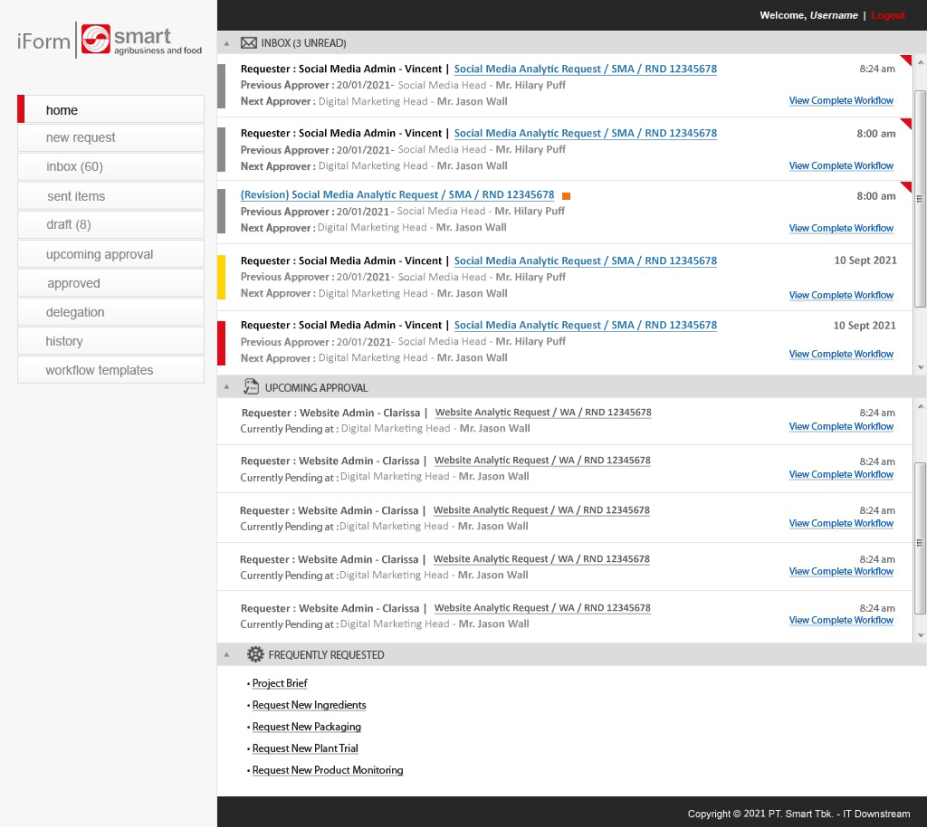
As your business grows, work tends to become more complex.
More requests come in. More people get involved. More approvals, follow-ups, and repetitive tasks begin to build up. Over time, these manual ways of working can slow your team down and make operations harder to manage.
If that sounds familiar, the issue may not be capacity alone. It may be workflow friction.
Process automation helps your team reduce that friction by improving how work moves across people, systems, and decisions. Instead of relying on manual coordination to keep things moving, your business can create workflows that are faster, more visible, and easier to scale.
Why manual workflows create hidden costs
Manual workflows often seem manageable at first. But as your business grows, the hidden cost becomes harder to ignore.
A task waits for approval. Someone re-enters the same information in another system. A follow-up only happens because a team member remembers to send it. A request gets delayed because there is no clear visibility into where it is stuck.
These small delays add up.
They can lead to:
- slower turnaround times
- more operational overhead
- repeated human error
- lower consistency across teams
- less visibility into bottlenecks
For your team, that means more time spent managing the process instead of moving work forward.
Why adding more people is not always the answer
When work starts piling up, it is natural to think the answer is more headcount.
Sometimes that is true. But if the workflow itself is inefficient, adding more people may simply add more handoffs, more coordination, and more complexity.
That is why hiring alone does not always solve the problem.
Before expanding the team, it is worth asking a more useful question: is your team truly overloaded, or is the workflow slowing them down?
In many cases, process automation creates more value than adding more effort to a process that already has too much friction.
Workflow automation vs RPA
When businesses start exploring improvement opportunities, they often compare workflow automation and RPA.
Both help reduce manual work, but they are used in different ways.
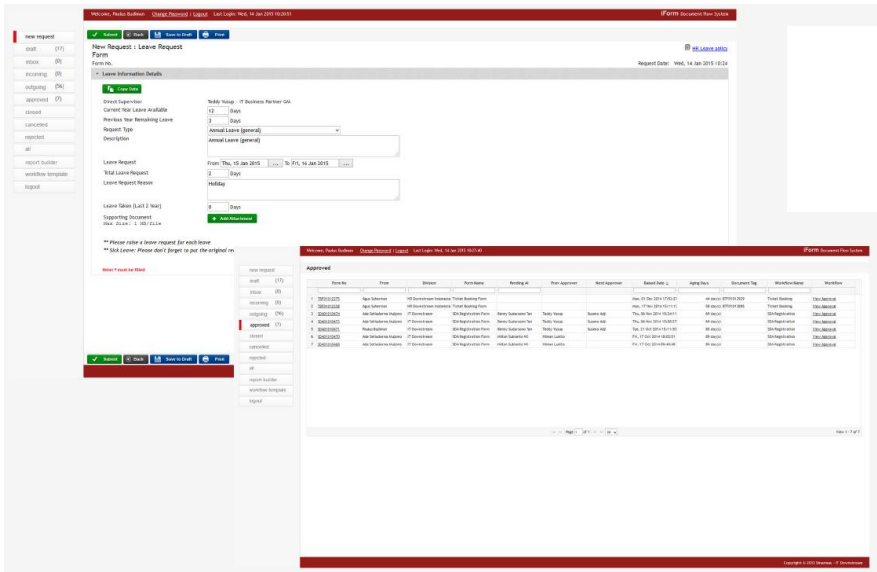
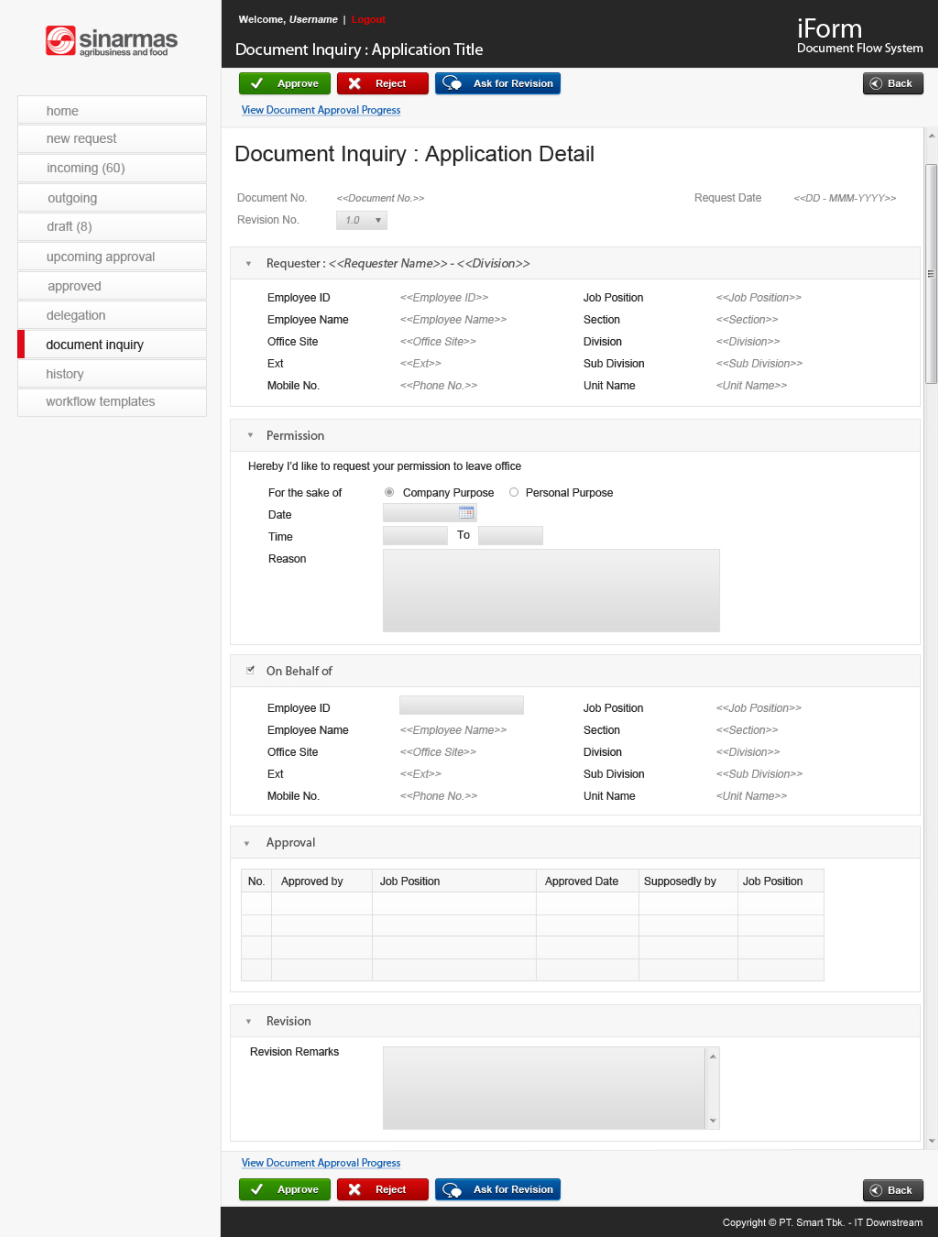
Workflow automation improves how work moves across people, systems, and process steps. This can include approvals, task routing, reminders, notifications, and status updates.
RPA, or robotic process automation, focuses on repetitive digital actions. It is often used to handle structured tasks such as data transfers, form filling, or repetitive actions inside software.
Today, businesses can go further than either one alone.
With AI-Driven RPA, repetitive work can become more adaptable by using AI to interpret information and support more flexible execution.
With Agentic AI Orchestration, workflows can become more intelligent. Agentic AI can help coordinate tasks, manage next steps, and support execution across systems with more context.
Depending on your needs, that may include:
- Intelligent Workflow Automation to streamline multi-step operational processes
- Agentic AI Orchestration to coordinate actions more intelligently across workflows
- Process Mining & Optimization to uncover bottlenecks and improve process design
- AI-Driven RPA to automate repetitive work with more adaptability
- Decision Workflow Automation to improve speed and consistency in rule-based processes
The opportunity is no longer just to automate tasks. It is to improve how your operations run end to end.
What to automate first
Not every workflow needs to be automated at once.
The best place to start is where manual work is creating the clearest friction for your team or customers.
This often includes processes that are:
- repetitive
- high-volume
- rules-based
- dependent on manual follow-up
- slowed down by approvals
- vulnerable to delays or rework
Examples may include approval workflows, onboarding, service requests, reporting processes, or cross-team coordination.
A strong process automation strategy starts with the bottleneck that matters most. That helps your business create value early and build momentum from there.
Why visibility matters before process automation
Before implementing automation, your team needs to understand how work is actually happening today.
Without that visibility, it is easy to automate the wrong step or reinforce an inefficient process.
This is why Process Mining & Optimization is an important part of the journey. It helps reveal:
- where work slows down
- where handoffs create delays
- where approvals become bottlenecks
- where manual rework happens repeatedly
- where process automation can have the biggest impact
When your team has a clearer view of the workflow, it becomes easier to prioritize improvements and make smarter implementation decisions.
In other words, process automation works best when it starts with process clarity.
A smarter way to support growth
As your business grows, your team should not have to rely on more manual coordination just to keep operations moving.
The right approach to process automation helps your business reduce friction, improve visibility, and support more consistent execution across teams and systems.
That may include:
- Intelligent Workflow Automation to improve how work moves
- Agentic AI Orchestration to support more intelligent coordination
- Process Mining & Optimization to identify where improvement is needed first
- AI-Driven RPA to automate repetitive digital work
- Decision Workflow Automation to streamline rule-based decisions
Together, these capabilities can help your business operate with less drag and more control as complexity grows.
Better operations start with better workflow design
If your team is spending too much time on approvals, follow-ups, repetitive admin work, or disconnected handoffs, the issue may not be effort. It may be the workflow itself.
Process automation helps your business create workflows that are easier to manage, easier to scale, and better aligned to the speed your team needs.
Talk to Moonlay about reducing workflow friction
If manual work is slowing your operations, it may be time to take a closer look at how work moves across your business.
By improving visibility and applying the right automation approach, your team can reduce friction, improve coordination, and build operations that scale more effectively.
Talk to Moonlay about reducing workflow friction.