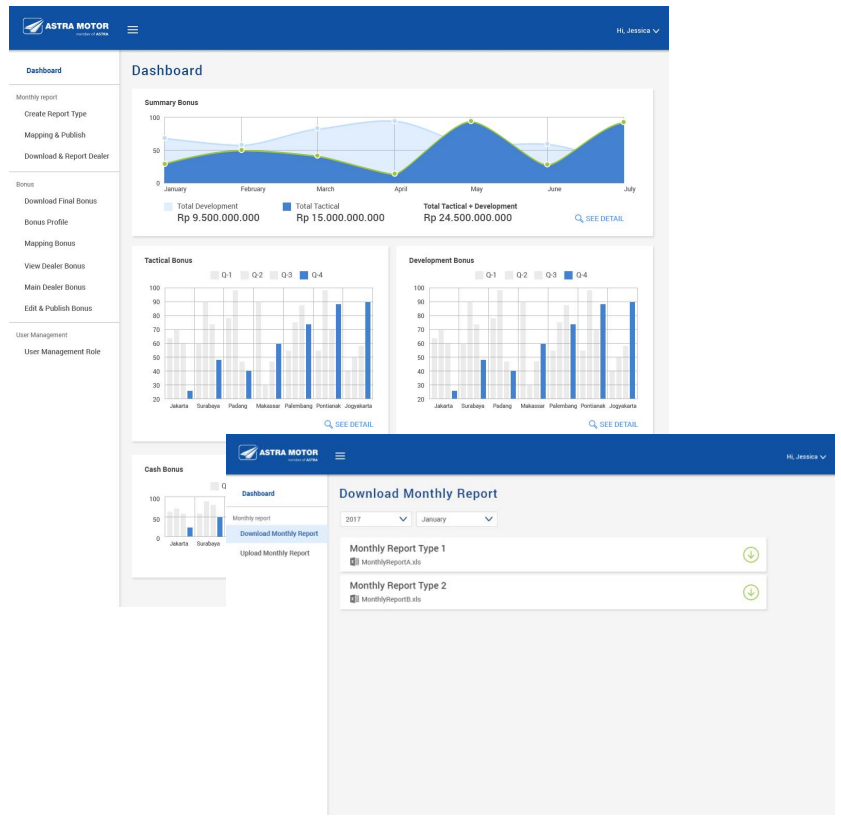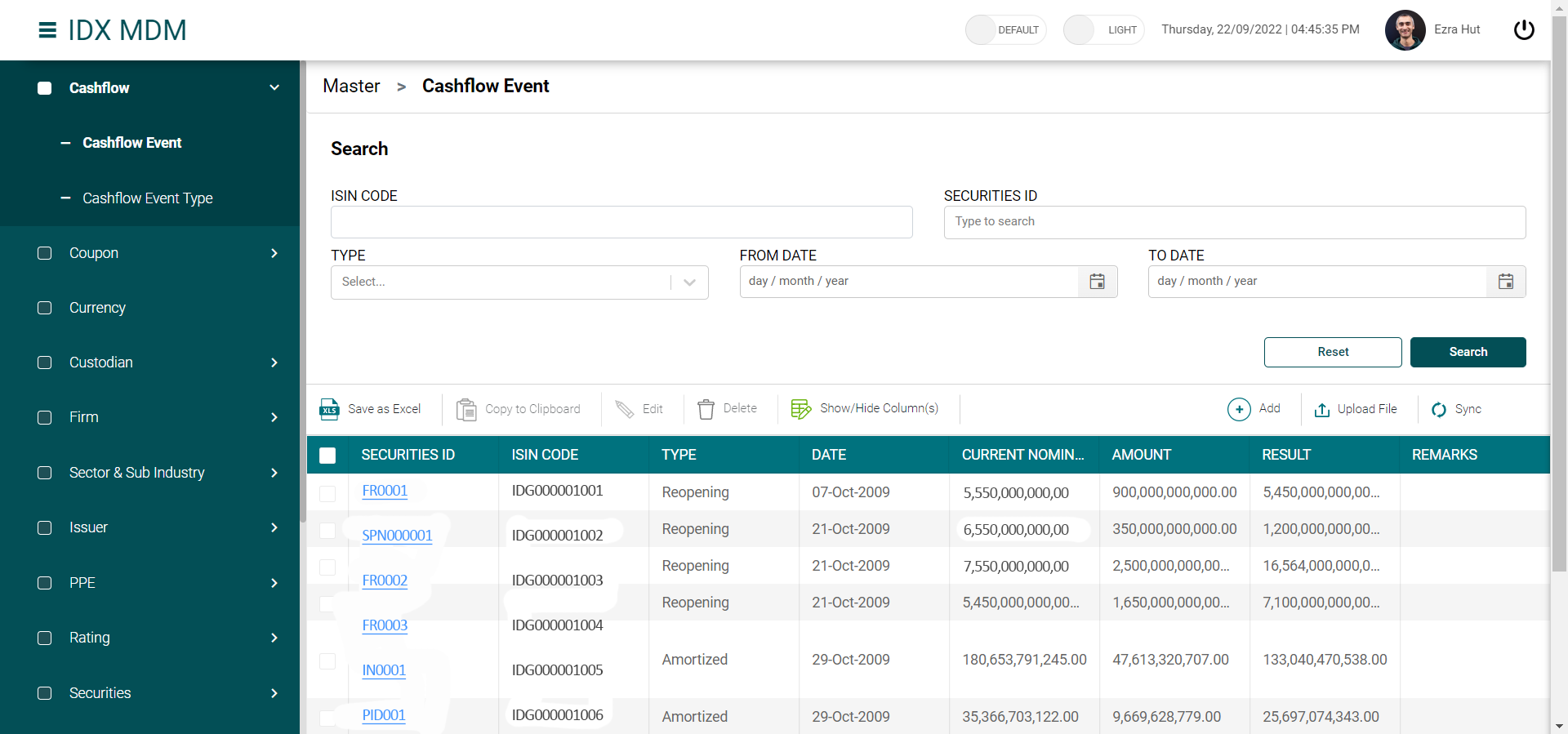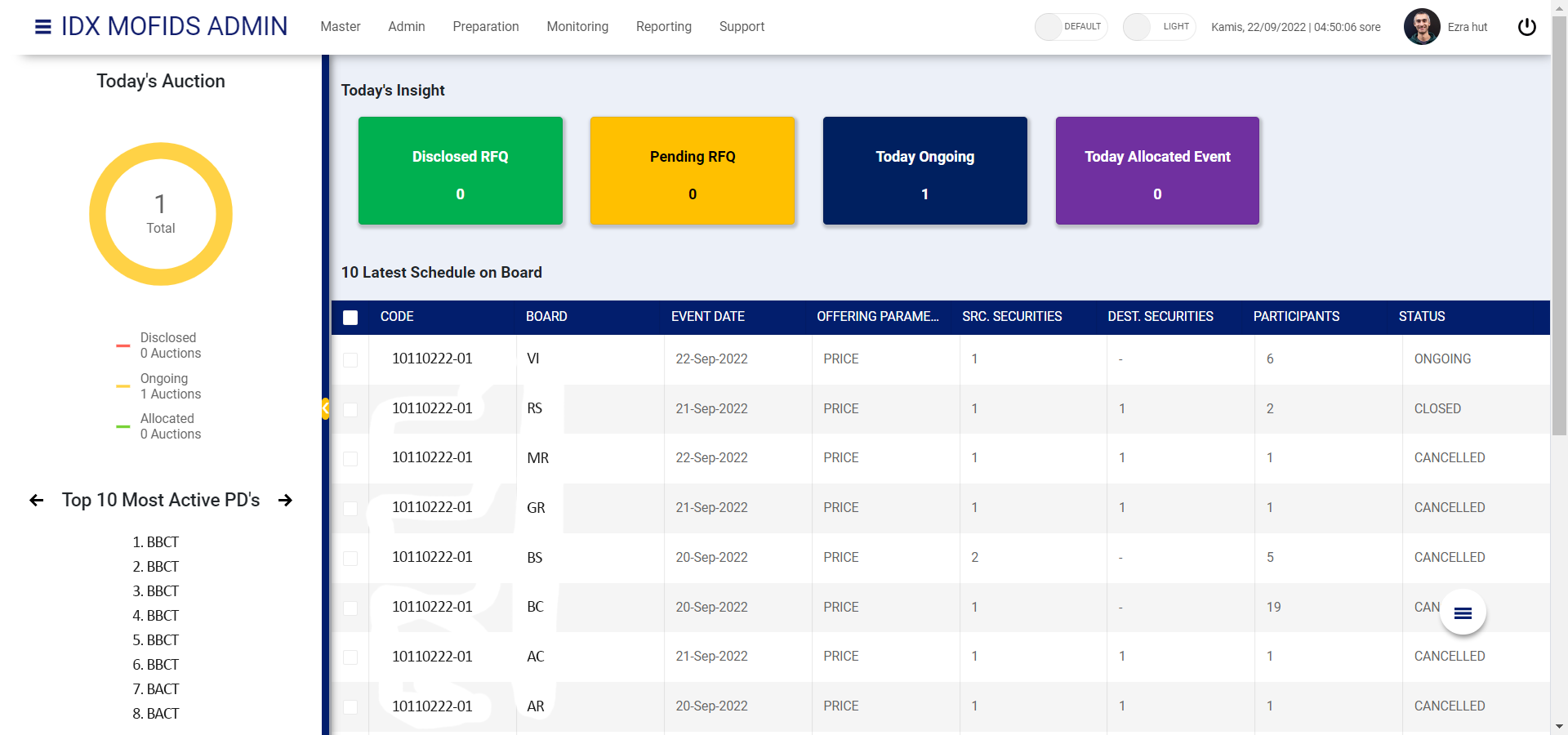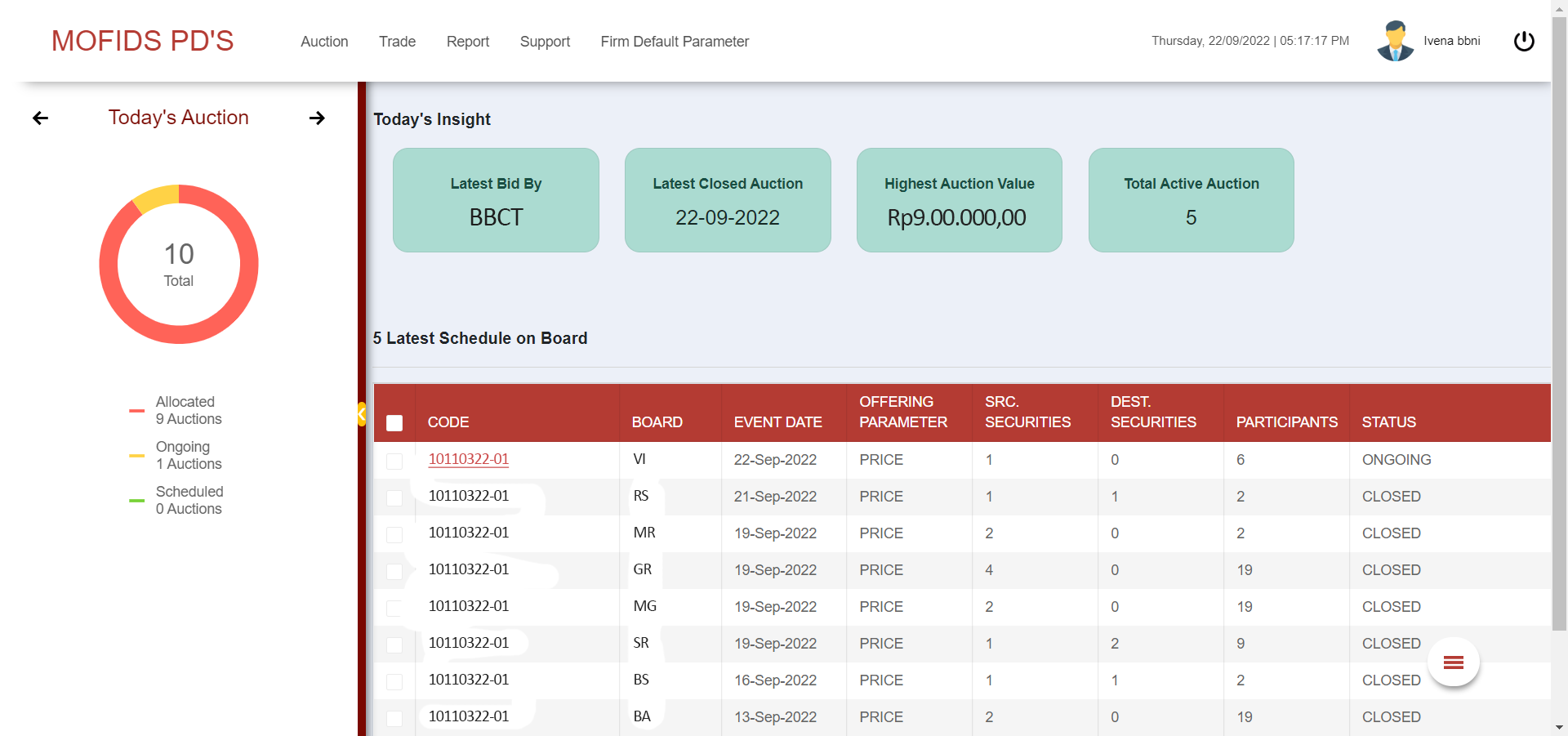
Most businesses today are not short on data.
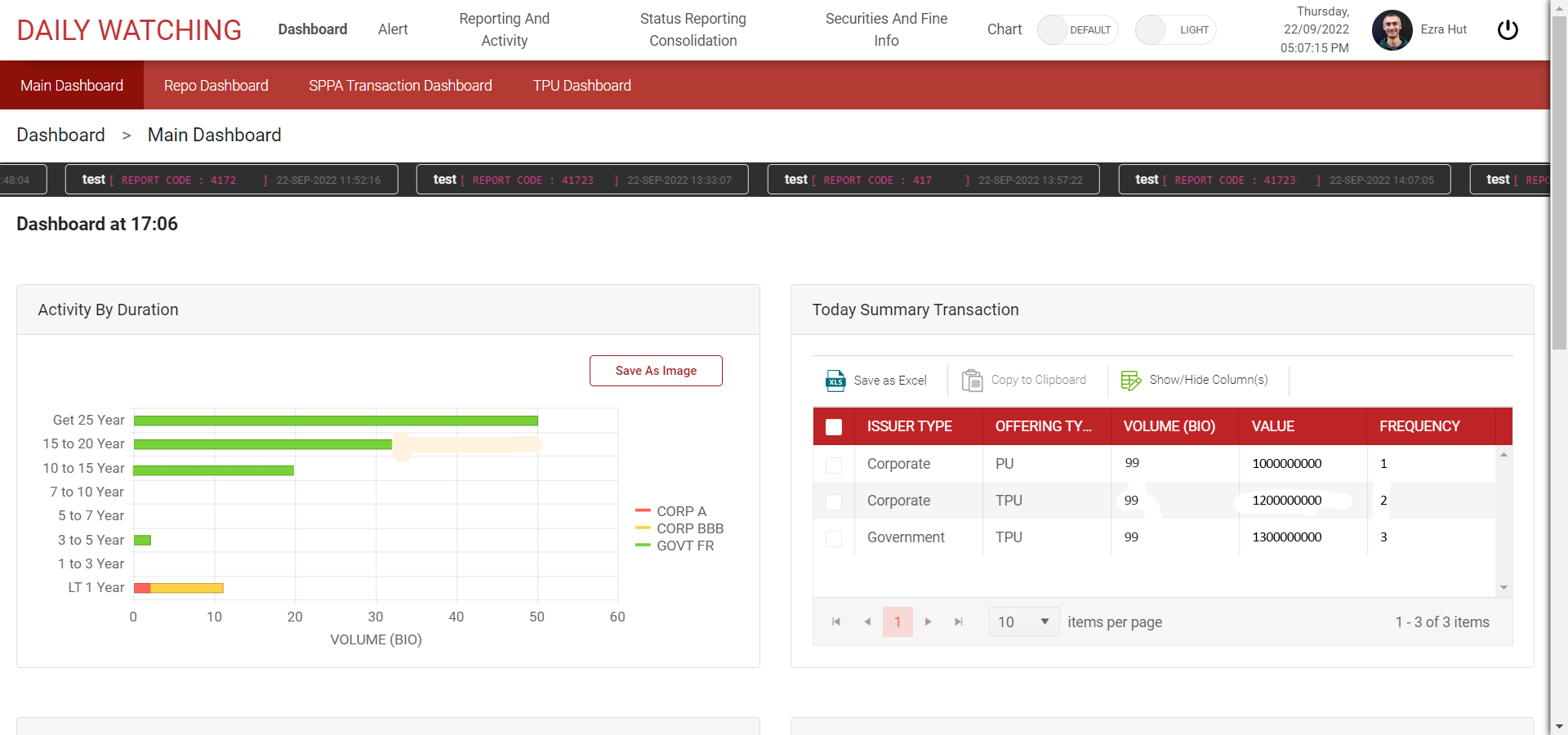
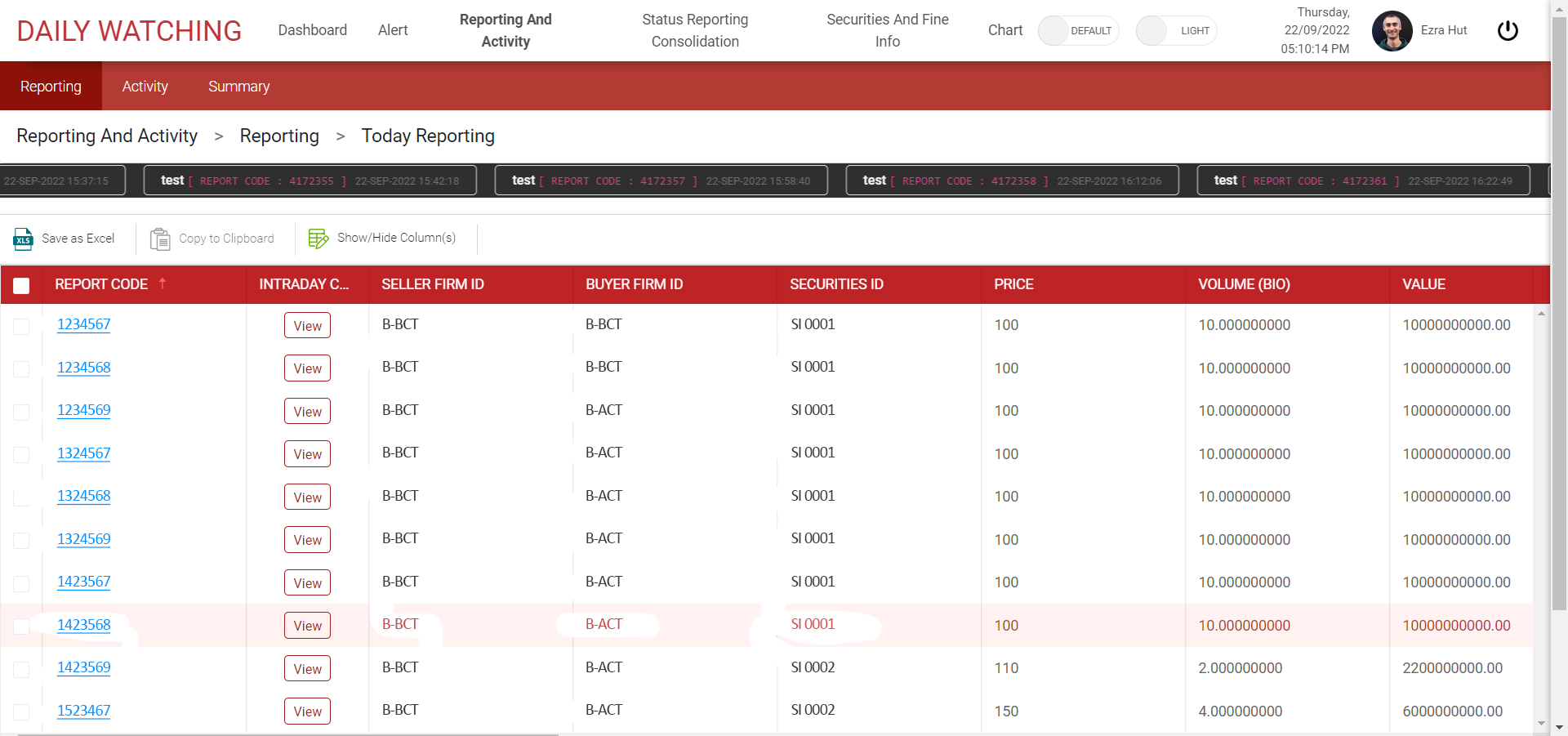
There are dashboards, reports, customer feedback, sales numbers, operational updates, and performance reviews. Almost every team has its own way of tracking what is happening.
But even with all that information, many business decisions still take longer than they should.
The issue is usually not that the company does not have enough data. The issue is that the data is spread everywhere.
Customer complaints may sit with the service team. Sales performance may be reviewed by the sales team. Operational delays may be tracked in another system. Financial numbers may only be discussed at management level.
Individually, each team may understand its own area. But when the signals are not connected, leaders may only see part of the story.
That is where Enterprise Intelligence comes in.
What Is Enterprise Intelligence?
Enterprise Intelligence is a way for organizations to connect business data, customer signals, performance indicators, and decision-making processes into a clearer view.
In simple terms, it helps a business understand what is happening, why it matters, and what should be done next.
It brings together elements such as Business Intelligence, AI, KPI governance, scenario planning, and leadership routines so teams can make decisions with better context.
The goal is not to add another dashboard.
The goal is to help the business move from only asking:
“What happened?”
to asking:
“What should we do next?”
When done well, Enterprise Intelligence helps leaders make decisions that are faster, more aligned, and more useful for the customer.
Why Businesses Need Enterprise Intelligence
As a business grows, decision-making naturally becomes more complex.
There are more teams involved, more systems being used, more customers to serve, and more performance metrics to track.
Without a connected way to read the business, this complexity can slow things down.
You may start seeing situations like:
- Different departments using different numbers
- Reports taking too long to prepare
- Customer feedback not being connected to business priorities
- KPI definitions that are not consistent across teams
- Decisions being delayed because the full picture is unclear
- Meetings being spent on explaining data instead of deciding actions
These situations may look like small operational problems. But over time, they affect how fast the business can respond.
For customers, the impact can be felt through slower service, repeated issues, inconsistent communication, or missed opportunities to improve their experience.
Enterprise Intelligence helps reduce this gap by connecting the signals that matter most to the decisions the business needs to make.
From Seeing Data to Understanding What It Means
Having data is helpful. But data alone does not always give clarity.
For example, a business may see that customer satisfaction is going down. But the number itself does not explain the full reason behind it.
Is it because delivery is slower than expected?
Is the product not available when customers need it?
Is there a service bottleneck?
Is the sales promise different from the actual customer experience?
Is the issue happening in one customer segment, one region, or across the whole business?
Without connected intelligence, each team may only see one part of the issue.
Enterprise Intelligence helps bring those parts together.
It allows leaders to understand how customer behavior, sales performance, operations, service quality, and financial outcomes are connected. This way, decisions are made with context, not assumptions.
How Enterprise Intelligence Supports Customer Experience
Customer experience is not shaped only by the people who directly serve customers.
It is also shaped by decisions made across the business.
A delayed operational decision can affect delivery time.
An unclear KPI can affect service priorities.
A disconnected report can slow down follow-up.
A missed customer signal can become a bigger issue later.
This is why Enterprise Intelligence matters.
It helps organizations notice customer signals earlier, understand what is driving them, and decide what action should come next.
With a more connected view, teams can respond with better coordination. Leaders can prioritize the right issues. Customer-facing teams can act with more confidence because they are supported by clearer business context.
In the end, better internal decisions can lead to a better customer experience.
The Role of BI, AI, and KPI Governance
Enterprise Intelligence is not only about using advanced technology. It is about building a better decision system.
Business Intelligence helps teams see what is happening in the business.
AI can help identify patterns, risks, and possible next actions.
KPI governance makes sure teams use the same definitions and performance logic.
Scenario planning helps leaders compare possible decisions before taking action.
Leadership routines help ensure insights are not only reviewed, but also followed up.
Together, these elements help organizations move from scattered reporting to clearer decision-making.
The real value is not only in seeing the data. The value is in knowing what to do with it.
Enterprise Intelligence Is Not Just Another Dashboard
Many organizations already have dashboards. Some even have too many.
But dashboards alone do not automatically make decisions better.
A dashboard can show a number. But the business still needs to understand what that number means, why it changed, who needs to act, and which decision should be prioritized.
Enterprise Intelligence helps connect that process.
It links information, context, people, and decision workflows so teams can move from reporting to action.
This is especially important for growing organizations. As the business becomes larger, it becomes easier for teams to work with different versions of the truth.
Enterprise Intelligence helps keep everyone aligned around the same understanding.
Start with Better Decisions, Not More Data
Enterprise Intelligence is not about collecting more data just because the data exists.
It is about helping your organization make better decisions from the information it already has.
When business signals are connected, leaders can understand problems faster, teams can align more easily, and actions can be taken with more confidence.
For businesses that want to improve customer experience, increase operational efficiency, and strengthen performance management, Enterprise Intelligence can become an important foundation.
Because the future of business is not only about having more data.
It is about making better decisions with it.
Build Enterprise Intelligence with Moonlay
Moonlay helps organizations connect Business Intelligence, AI, KPI governance, and decision workflows into a more integrated Enterprise Intelligence approach.
We help businesses turn scattered signals into clearer decisions, so leaders and teams can move faster, stay aligned, and deliver better value to customers.
Ready to make better decisions from your business signals?
Contact Moonlay to explore how Enterprise Intelligence can support your organization.